
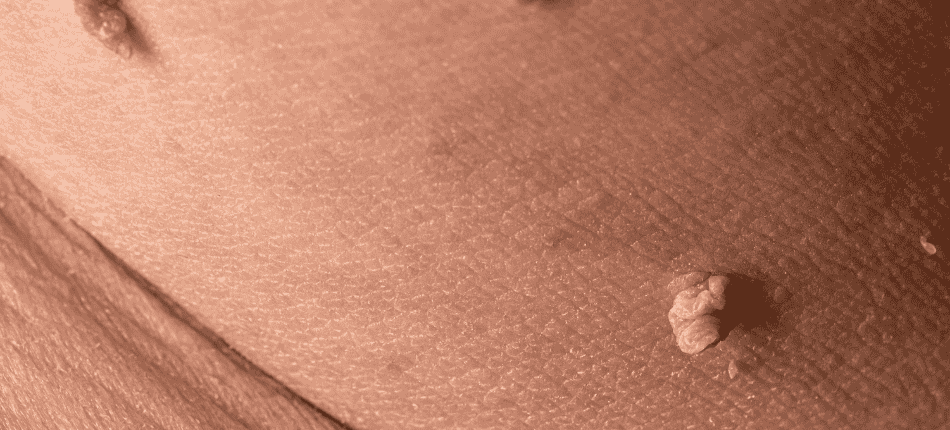
Skin Tag Causes – Why Skin Tags Form & When You Should Be Concerned
Skin tags are small, soft, harmless growths commonly found on the neck, eyelids, underarms, groin, or under the breasts. While they are not dangerous, many people find them bothersome or cosmetically unappealing. Understanding skin tag causes helps you know why they form and whether you should remove them.
This blog explains what skin tags are, why they occur, who is more likely to develop them, and when to consult a dermatologist.
What Are Skin Tags?
Skin tags (medical term: acrochordons) are small, flesh-colored pieces of skin that hang off the body.
They are:
✔ Non-cancerous
✔ Painless
✔ Common in adults
✔ Often appear in skin folds
Skin tags are not infections or tumors—they are simply overgrowths of normal skin.
Top Skin Tag Causes
Skin tags develop when extra skin cells cluster in areas where the skin rubs together. Several factors can trigger this:
1. Friction in Skin Folds
Skin rubbing against skin is the most common cause.
This is why tags form on:
-
Neck
-
Underarms
-
Groin
-
Eyelids
-
Under breasts
-
Inner thighs
People who wear tight clothing may notice more skin tags due to increased friction.
2. Obesity & Overweight
Overweight individuals tend to have more skin folds, which increases friction.
This makes them more likely to develop multiple skin tags.
3. Insulin Resistance & Diabetes
Studies show a strong connection between skin tags and insulin resistance.
People with:
-
Type 2 diabetes
-
Prediabetes
-
Metabolic syndrome
are more likely to develop skin tags.
Skin tags can sometimes be an early sign of high blood sugar.
4. Hormonal Changes
Hormones play a key role in skin growth.
Skin tags are more common during:
-
Pregnancy
-
Thyroid disorders
-
Menopause
Pregnancy-related skin tags usually appear because of hormonal shifts and increased skin friction.
5. Genetics
If your parents have skin tags, you’re more likely to get them too.
Some people simply have a genetic tendency to form more skin tags.
6. Aging
Skin tags become more common as people get older—especially after the age of 40.
This happens because the skin becomes looser and more prone to friction.
7. HPV (Human Papillomavirus)
Certain strains of HPV have been linked to skin tag formation.
Though not the main cause, HPV may contribute to the growth of skin tags in some individuals.
8. High Cholesterol & Other Medical Conditions
Some medical conditions increase the likelihood of skin tags, such as:
-
High cholesterol
-
High blood pressure
-
Polycystic ovarian syndrome (PCOS)
-
Acromegaly (growth hormone disorder)
-
Liver issues
While skin tags are harmless, multiple new tags could indicate an underlying metabolic issue.
Are Skin Tags Dangerous?
No—skin tags are typically:**
✔ Non-cancerous
✔ Not contagious
✔ Not harmful**
However, you should consult a dermatologist if a skin growth:
-
Changes color
-
Grows rapidly
-
Becomes painful or bleeds
-
Looks different from a typical skin tag
How Are Skin Tags Treated?
Dermatologists remove skin tags safely using:
-
Laser treatment
-
Electrocautery
-
Cryotherapy (freezing)
-
Surgical removal
These are quick, safe, and leave minimal marks when done by a professional.
Avoid home remedies like cutting or tying with threads—they can cause infection or scarring.
Conclusion
Skin tags are common skin growths caused by friction, hormonal changes, genetics, diabetes, obesity, and aging. While harmless, they can be annoying or cosmetically displeasing. If you have multiple or rapidly appearing skin tags, it’s best to consult a dermatologist to rule out any underlying conditions.
Skin tag causes Skin tag causes Skin tag causes Skin tag causes Skin tag causes Skin tag causes Skin tag causes Skin tag causes Skin tag causes Skin tag causes Skin tag causes