Acne Treatment in Bhandup – Causes, Types & Effective Solutions | The Skin Galaxy
Introduction
Dermatologist in Bhandup plays a crucial role in diagnosing and treating acne effectively for all skin types. Acne is one of the most common skin concerns affecting teenagers and adults alike. While it may seem like a minor issue, untreated acne can lead to scars and affect self-confidence. Understanding its causes, types, and treatment options can help you manage it better and achieve clear, healthy skin.
What Causes Acne?
Acne occurs when hair follicles become clogged with oil (sebum), dead skin cells, and bacteria. Several factors contribute to this condition:
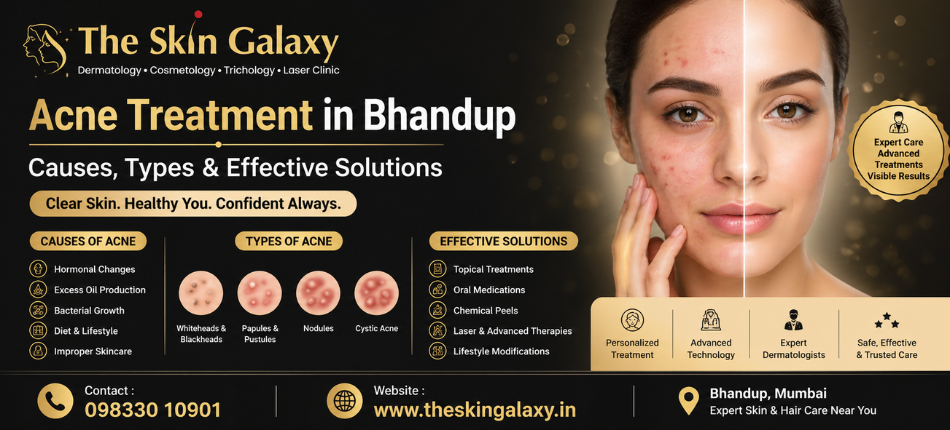
1. Hormonal Changes
Hormonal fluctuations are one of the most common causes of acne, especially during puberty, menstruation, pregnancy, or conditions like PCOS. These changes increase the production of androgens (male hormones), which stimulate the sebaceous glands to produce more oil (sebum). Excess oil can clog pores and create an ideal environment for acne to develop, leading to frequent breakouts.
2. Excess Oil Production
When the skin produces too much oil, it mixes with dead skin cells and blocks hair follicles. This clogging leads to the formation of blackheads, whiteheads, and inflamed acne. People with naturally oily skin are more prone to acne, and factors like humidity, stress, and genetics can further increase oil production.
3. Bacterial Growth
The skin naturally contains bacteria, but when pores are clogged with oil and dead skin cells, bacteria like Propionibacterium acnes multiply rapidly. This triggers inflammation, redness, and pus-filled pimples. Bacterial growth is a key reason why acne becomes painful and more severe if not treated properly.
4. Diet & Lifestyle
Unhealthy eating habits and lifestyle choices can significantly impact your skin. Diets high in sugar, processed foods, and dairy may increase inflammation and oil production, worsening acne. Additionally, stress, lack of sleep, and dehydration can disrupt hormonal balance, making the skin more prone to breakouts.
5. Improper Skincare
Using the wrong skincare products or following an inconsistent routine can irritate the skin and clog pores. Oil-based or comedogenic products, excessive exfoliation, and not removing makeup properly can all contribute to acne. Choosing suitable, skin-type-specific products and maintaining a gentle skincare routine is essential for preventing breakouts.
Types of Acne
Understanding the type of acne helps in choosing the right treatment:
1. Whiteheads & Blackheads
These are non-inflammatory acne caused by clogged pores.
2. Papules & Pustules
Red, inflamed bumps that may contain pus.
3. Nodules
Large, painful lumps deep under the skin.
4. Cystic Acne
Severe form of acne that can lead to permanent scarring.
Effective Acne Treatment Options
1. Topical Treatments
Topical treatments are usually the first line of defense against acne and are applied directly to the skin. Ingredients like retinoids help unclog pores and promote skin cell turnover, while benzoyl peroxide reduces bacteria and inflammation. Salicylic acid works by exfoliating the skin and clearing blocked pores. These treatments are effective for mild to moderate acne and, when used consistently under guidance, can significantly reduce breakouts and improve skin texture.
2. Oral Medications
For moderate to severe acne, oral medications may be prescribed to target the condition from within. Antibiotics help reduce bacterial growth and inflammation, while hormonal treatments, such as oral contraceptives, regulate hormone levels that contribute to excess oil production. In some cases, stronger medications may be recommended for persistent acne. These treatments should always be taken under medical supervision to ensure safety and effectiveness.
3. Chemical Peels
Chemical peels are professional treatments that use mild acids to exfoliate the top layer of the skin. This process removes dead skin cells, unclogs pores, and promotes the growth of new, healthy skin. Chemical peels not only help in reducing active acne but also improve skin tone, texture, and acne marks over time. Regular sessions, as advised by a dermatologist, can deliver visible and long-lasting results.
4. Laser & Advanced Therapies
Laser and advanced dermatological treatments are highly effective for treating stubborn acne and reducing scars. These therapies work by targeting bacteria, reducing oil production, and promoting collagen production for skin healing. They are especially beneficial for individuals who do not respond well to conventional treatments. With minimal downtime and precise results, these advanced options are becoming increasingly popular.
5. Lifestyle Modifications
Lifestyle changes play a crucial role in managing and preventing acne. Maintaining a balanced diet rich in fruits, vegetables, and nutrients helps keep the skin healthy, while reducing sugar and processed foods can minimize breakouts. Managing stress through activities like exercise or meditation, staying hydrated, and following a proper skincare routine can significantly improve overall skin condition. Consistency in healthy habits supports long-term acne control.
When to See a Dermatologist?
If your acne is persistent, painful, or leaving scars, it’s time to consult a specialist. Early treatment can prevent complications and improve results.
Conclusion
Acne is treatable with the right approach and expert care. With proper diagnosis and customized treatment, you can achieve clear and glowing skin. Consulting an experienced dermatologist ensures safe and effective results.
Dermatologist in Bhandup Dermatologist in Bhandup Dermatologist in Bhandup Dermatologist in Bhandup Dermatologist in Bhandup Dermatologist in Bhandup Dermatologist in Bhandup Dermatologist in Bhandup